What Is Visual Kei?
Visual kei (ヴィジュアル系, vijuaru kei) — literally 'visual style' — is one of the most singular cultural exports Japan has ever produced. Part music movement, part fashion subculture, part theatrical performance art, visual kei is the aesthetic universe where glam rock meets gothic lace, where androgyny is the baseline, where the more dramatic the hair the better, and where a band's visual presentation is considered just as important as the music itself.
The Origins: 1980s Japan
Visual kei emerged from Tokyo's underground music scene in the early 1980s, at a moment when Japan was experiencing massive postwar economic prosperity and Western influences — particularly glam rock, punk, and gothic rock — were filtering into Japanese youth culture in a big way. Bands like X Japan, Buck-Tick, Dead End, D'erlanger, and Color began developing a look that fused the theatrical shock of Alice Cooper and David Bowie with Japan's own rich tradition of kabuki theater aesthetics and shojo manga character design.
The result was something entirely new: performers in skyscraper hair, full dramatic makeup, leather and lace and chains, playing music that pulled from heavy metal, goth rock, and post-punk simultaneously. The term itself came from X Japan's provocative album slogan: Psychedelic Violence Crime of Visual Shock.
The 1990s: The Golden Era
The 90s were visual kei's mainstream peak in Japan. The movement exploded outward from the underground into Oricon chart dominance, sold-out arenas, and cultural saturation. This was the era that produced the bands most associated with visual kei globally: Malice Mizer (featuring a young Gackt), L'Arc-en-Ciel, Luna Sea, Dir en grey, and the GazettE. Subgenres multiplied rapidly — Nagoya kei brought a darker, more music-focused approach from central Japan; oshare kei brought color and pop energy; angura kei incorporated traditional kimono and Japanese folk aesthetics; eroguro kei pushed into grotesque and horror territory.
The 2000s: International Expansion and Identity Shift
The early-to-mid 2000s saw visual kei go international in a serious way. Bands like Dir en grey, the GazettE, and D'espairsRay toured Europe, North America, and Southeast Asia to dedicated fanbases who had discovered the music through early internet communities, anime connections, and the emerging j-rock fandom scene.
The 2010s: Underground Loyalty
By the 2010s, visual kei had settled into a deeply loyal but distinctly underground existence. Dedicated live houses in Shinjuku, Shibuya, and Nagoya continued hosting packed shows. X Japan reunited in 2007 after a decade apart. Buck-Tick — widely considered the most artistically consistent visual kei band in history — never stopped releasing critically acclaimed albums.
Is Visual Kei Still Alive in 2026?
Yes — but it looks different depending on where you look. Within Japan, visual kei operates as a vibrant underground with deeply devoted fans. The live house circuit is active. New bands are forming. Internationally, visual kei has found a genuine second life on social media. TikTok in particular has introduced the aesthetic to a new global generation who discovered it through anime crossovers, through fashion content, and through the broader j-fashion boom. The hashtag #visualkei has hundreds of millions of views across platforms.
The Visual Kei Aesthetic: What Makes a Look
- Layering — Multiple textures and silhouettes stacked together.
- Black as the foundation — With dramatic accents in deep red, white, or metallic silver.
- Platform boots — Usually chunky-soled combat or creeper styles in black, often with buckles and hardware.
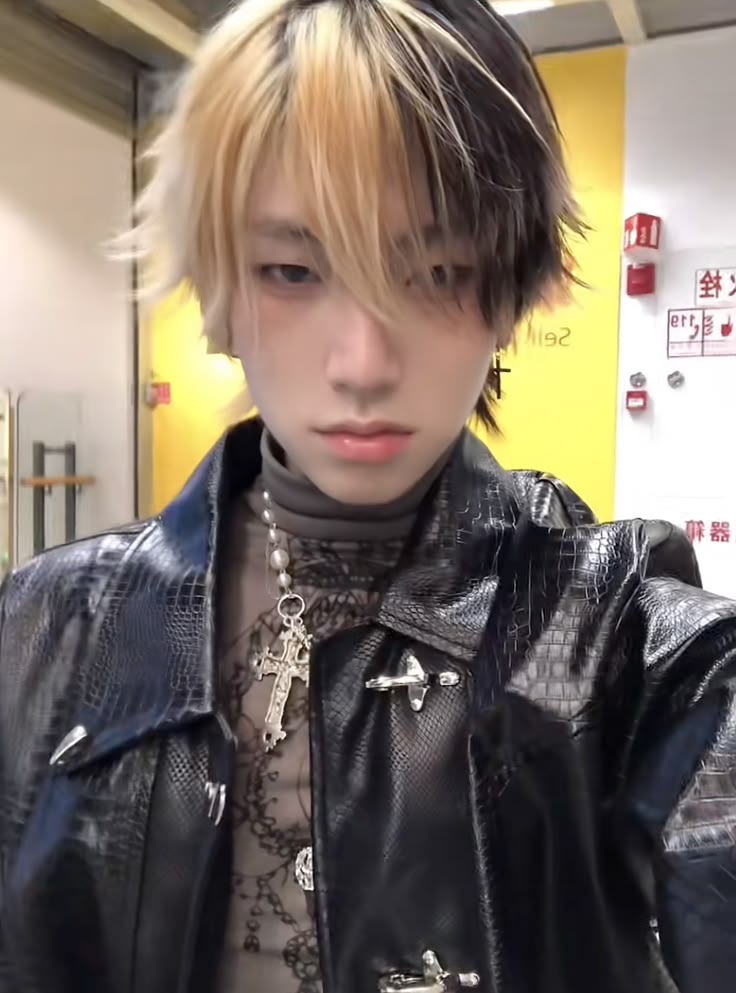
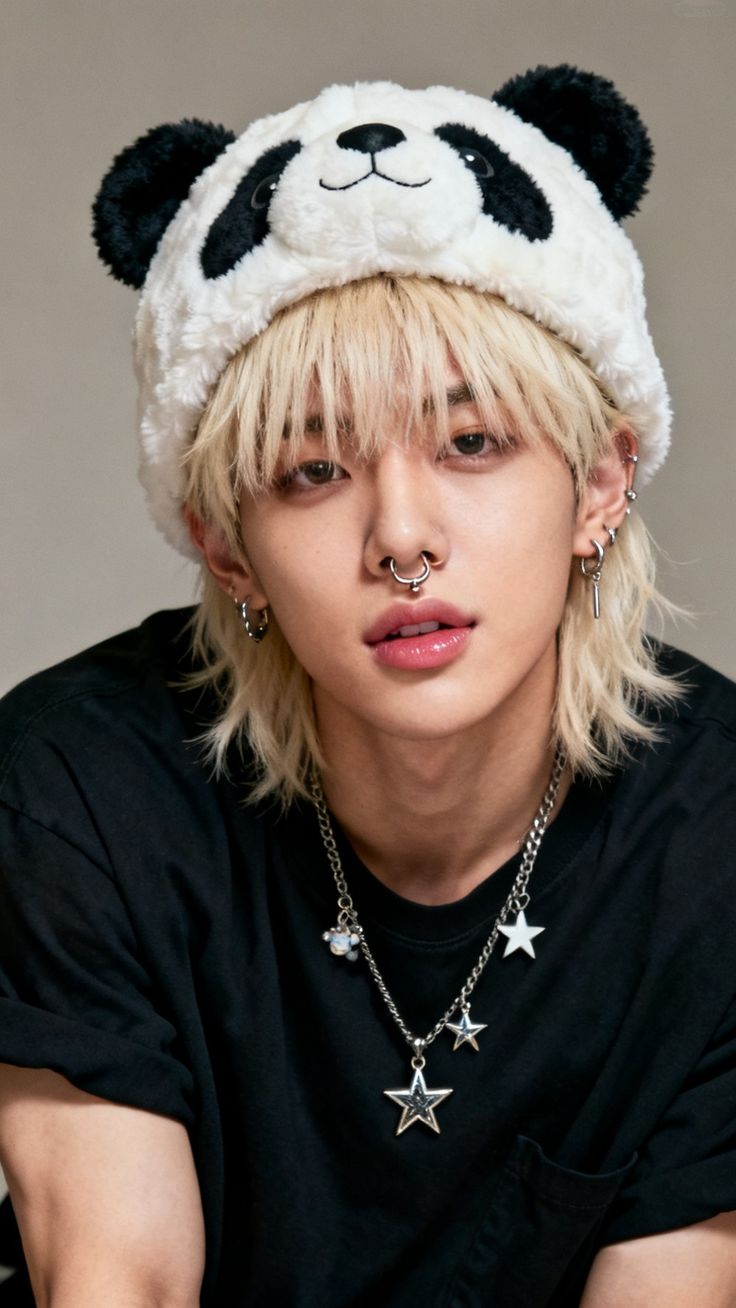
- Chains and silver hardware — Belt chains, necklace layering, cross pendants, skull motifs.
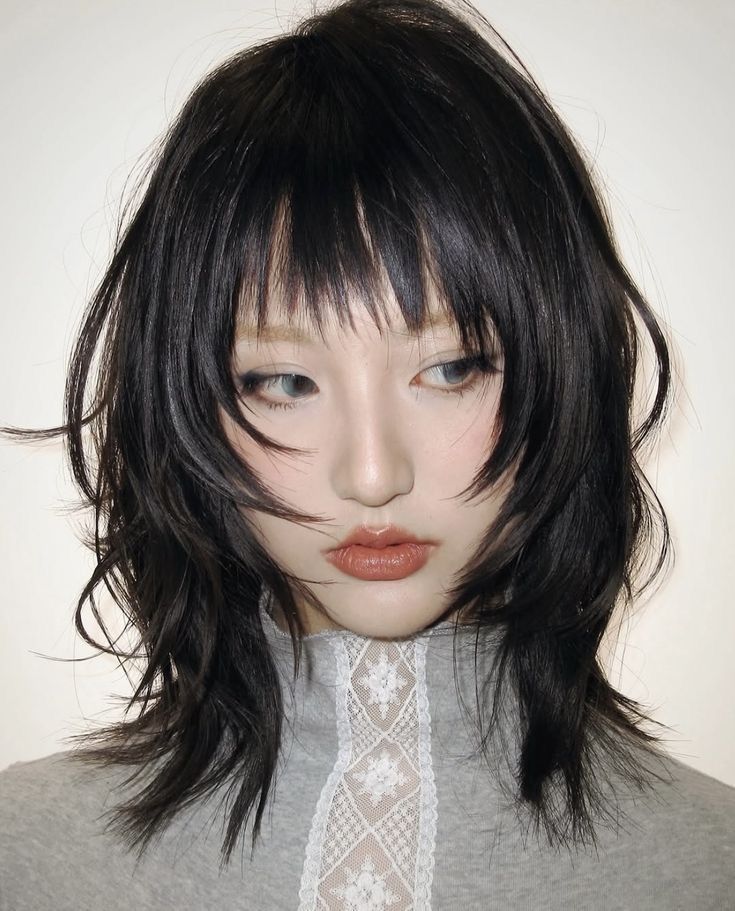
- Dramatic hair — Teased, colored, asymmetrical, or all three.
- Heavy eye makeup — Smudged liner, dramatic eye shadow, occasionally face paint or graphic liner designs.
- Androgynous silhouettes — Ruffled skirts, lace, and feminine detailing worn freely regardless of gender presentation.